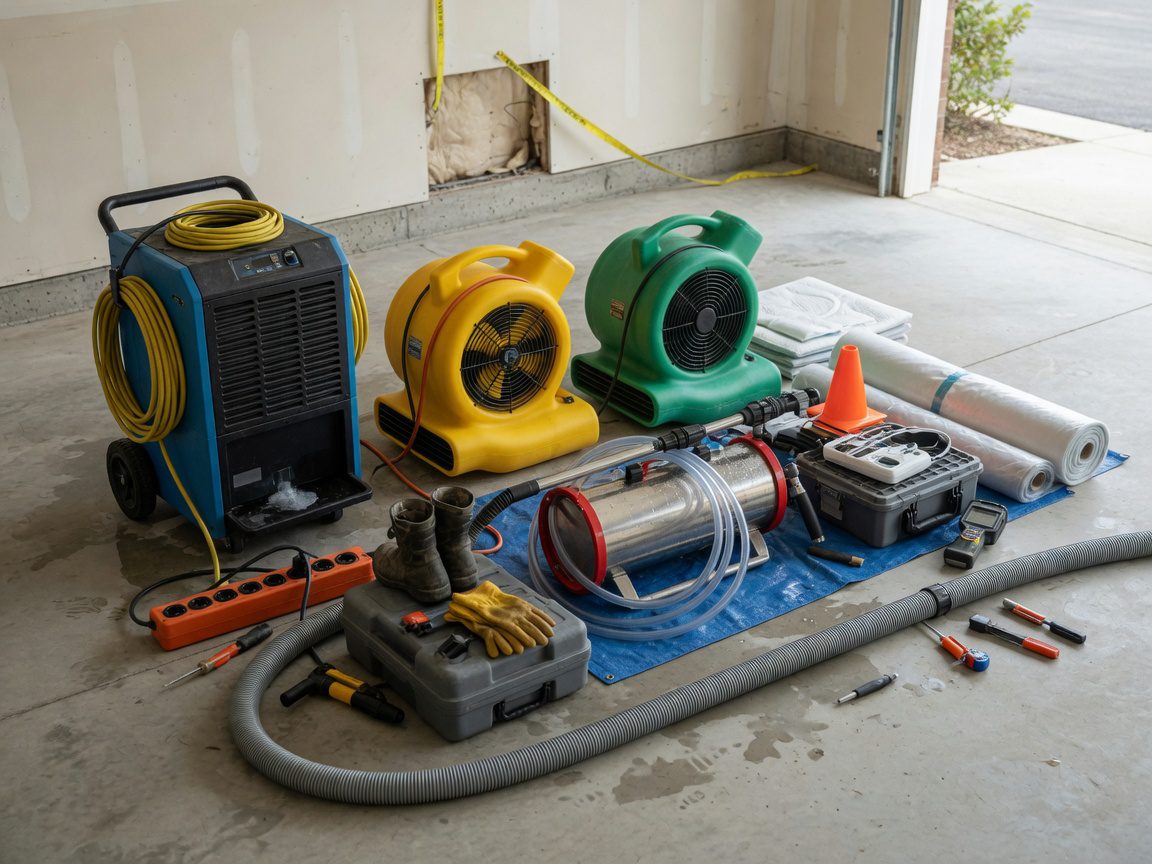
Protecting your Centreville property from water damage involves proactive maintenance of plumbing, roofing, and drainage systems, ensuring immediate repairs of leaks, and regular inspections to prevent costly structural issues and mold growth.
Understanding Water Damage Risks in Centreville, VA
Centreville, VA, experiences a range of weather conditions throughout the year, from heavy spring rains to winter freezes. These varying climates contribute to specific water damage risks for homeowners. Understanding these local factors is key to effective prevention. For instance, the clay-rich soil prevalent in many parts of Fairfax County can expand and contract, putting pressure on foundation walls and potentially leading to cracks and water intrusion.
Furthermore, older homes in Centreville might have aging plumbing systems, often susceptible to pipe bursts or slow leaks that go unnoticed for extended periods. Even newer constructions are not immune; improper grading around the foundation can direct rainwater directly towards the house, leading to basement flooding or crawl space saturation. Being aware of these specific environmental and structural vulnerabilities empowers homeowners to take targeted preventative measures.
Key Areas for Preventative Maintenance
Regular inspections and maintenance across several critical areas are paramount for preventing water damage. Neglecting these can lead to significant structural problems, mold infestations, and expensive restoration work.
Roof and Gutters
Your roof is the first line of defense against precipitation. Inspect it annually for missing, cracked, or loose shingles. Pay close attention to flashing around chimneys, skylights, and vents, as these are common entry points for water. Clear gutters and downspouts frequently, especially after heavy storms or leaf fall, to ensure water drains away from your foundation effectively. Clogged gutters can cause water to overflow and pool around the house, leading to foundation issues and fascia board rot.
Plumbing Systems
Indoor plumbing failures are a leading cause of water damage. Regularly check for leaks under sinks, around toilets, and near appliances like washing machines and dishwashers. Look for water stains on ceilings or walls, which can indicate hidden pipe leaks. Inspect appliance hoses (washing machine, refrigerator ice maker) for cracks or bulges and replace them every 3-5 years. Consider investing in smart water leak detectors for high-risk areas, which can alert you to issues early.
Foundation and Exterior Grading
The ground around your home should slope away from the foundation by at least six inches over the first ten feet. This directs rainwater away from your house. Routinely inspect your foundation for cracks, both vertical and horizontal. Even hairline cracks can allow water to seep into basements or crawl spaces. Seal any visible cracks immediately with appropriate foundation sealant. Ensure window wells are clear of debris and have proper drainage.
HVAC and Water Heater
Your HVAC system’s condensate drain line can become clogged, causing overflow and water pooling. Ensure it drains freely. Regularly check your water heater for any signs of corrosion or leaks at the base. Most water heaters have a lifespan of 10-15 years; older units are at higher risk of catastrophic failure. Consider having these systems professionally inspected annually.
Signs of Hidden Water Damage to Watch For
Often, water damage isn’t immediately obvious. Being vigilant for subtle indicators can save you from extensive repairs. Musty odors are a strong indicator of mold or mildew growth, often a result of hidden moisture. Discoloration, peeling paint, or bubbling wallpaper on walls or ceilings can signal water intrusion. Soft or spongy spots on floors could mean subfloor damage or a leak beneath. Increased utility bills without a change in usage can also point to a continuous, undetected leak.
Keep an eye out for visible mold patches, which can range in color from black to green to white. If you notice any of these signs, it’s crucial to investigate promptly to prevent the problem from escalating.
Emergency Preparedness and Response
Knowing what to do when water damage strikes can significantly minimize its impact. First, locate your main water shut-off valve and know how to turn it off quickly. This can stop the flow of water during a pipe burst. Have a list of emergency contacts, including your insurance provider and a trusted local water damage restoration company like Centreville Water Damage Rescue, readily available.
In the event of a significant leak or flood, prioritize safety. Turn off electricity to affected areas if safe to do so. Document the damage extensively with photos and videos for insurance purposes. Avoid attempting to clean up large amounts of water yourself without proper equipment, as this can lead to further damage or health risks.
Choosing a Certified Water Damage Restoration Contractor in Centreville
When professional help is needed, selecting the right contractor is crucial. Look for companies that are IICRC-certified (Institute of Inspection, Cleaning and Restoration Certification). This certification indicates that technicians have undergone rigorous training and adhere to industry best practices for water damage mitigation, drying, and restoration.
Verify that the company is properly licensed and insured in Virginia. Ask for local references and compare quotes. A reputable company will provide a detailed assessment, explain their drying protocols, and communicate clearly throughout the process. Centreville Water Damage Rescue adheres to comprehensive IICRC S500 standards, ensuring effective and thorough restoration for your property.
Localized Maintenance Tips for Centreville Homeowners
Beyond general maintenance, Centreville’s specific climate and urban/suburban environment call for tailored considerations:
- Seasonal Gutter Cleaning: Due to tree density in many Centreville neighborhoods, clearing gutters comprehensively in late fall and early spring is paramount to prevent blockages from leaves and twigs.
- Sump Pump Checks: Homes with basements or crawl spaces, especially in lower-lying Centreville areas near Bull Run or Cub Run, should have their sump pumps tested quarterly. Ensure the discharge pipe directs water far away from the foundation.
- Winterization: Before winter freezes arrive, disconnect and drain garden hoses, and insulate outdoor spigots and pipes in unheated areas like garages or crawl spaces to prevent freezing and bursting.
- Foundation Drainage: For properties on slopes or in areas with known water runoff issues, consider installing French drains or ensuring existing ones are clear to direct excess surface water away from the home’s perimeter.
Conclusion
Proactive water damage maintenance is an indispensable investment for any Centreville homeowner. By regularly inspecting and maintaining your property’s critical systems, recognizing early warning signs, and knowing how to respond if disaster strikes, you can significantly reduce the risk and severity of water damage. Remember, Centreville Water Damage Rescue is always here to assist with professional Centreville water damage services, providing expertise and peace of mind when you need it most.